
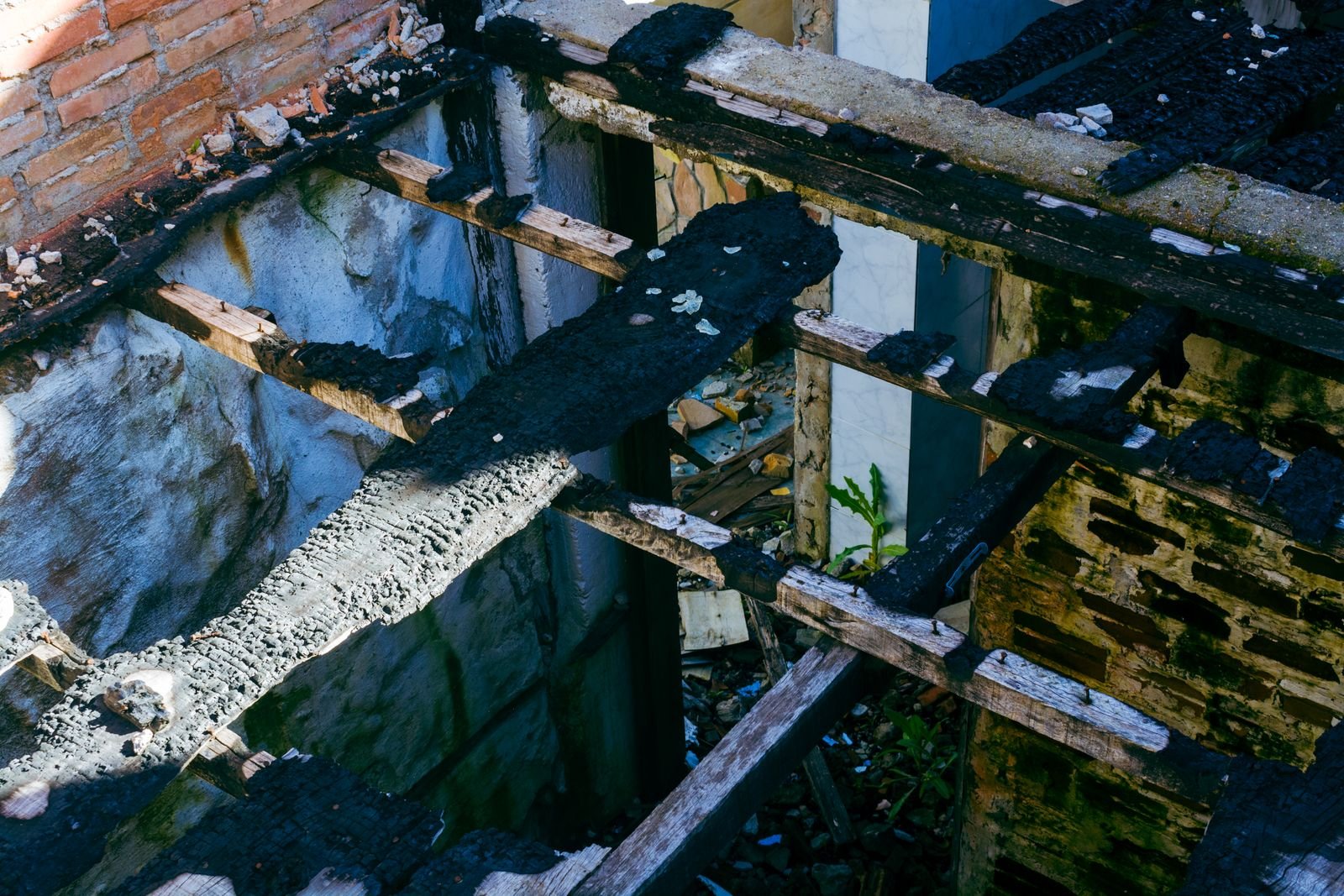
Fire and smoke-damage repairs require reconstruction decisions based on the actual assessed condition. Visible discoloration alone cannot describe every affected component or determine readiness for finishing. Manhattan Kitchen and Bath can discuss the construction work with records supplied by the appropriate assessment and remediation providers. Identify cleared areas, retained components and remaining responsibilities before replacement materials are selected. The proposal should distinguish rebuilding from specialist cleanup and other work outside its scope. Keep changes documented as findings become available so the completed interior follows a confirmed plan rather than an assumption that new finishes alone resolve the damage.
Connecting repair construction with available findings
Provide records showing their date, scope and responsible provider. Photograph the wider affected area and explain which components may remain. Ask what information is needed before the replacement assembly can be selected. If the intended room changes from its previous arrangement, identify that preference separately. A project reconstruction discussion should proceed from relevant findings and current product information, making boundaries clearer than a broad restoration label treated as confirmation of all conditions throughout the property.
Organizing the information from the response
Keep reports, photographs and a factual account of the event together. Identify who has assessed the property and what restrictions or next steps were given. Construction planning should follow the relevant directions rather than infer readiness from a visual impression. Record components removed or temporary measures already taken. This helps the rebuilding team understand the starting point and avoid confusing earlier work with the proposed contract. Documentation should preserve what was observed and communicated, without being rewritten to suggest a cause, condition or coverage conclusion beyond the responsible professional's findings.
Separating specialist treatment from rebuilding
Fire and smoke events can involve conditions that require expertise outside ordinary finish installation. Identify the providers responsible for assessment and any relevant treatment. The reconstruction contract should describe its work and prerequisites clearly. A paint or drywall scope does not automatically include specialist cleaning, decontamination or evaluation of every affected system. The owner should understand these boundaries before authorizing construction. Clear coordination lets the rebuilding sequence respond to the actual findings instead of asking a general interior proposal to stand in for the separate tasks needed to establish the property's condition.
Reviewing structure and services through qualified assessment
Affected structural components and services should be evaluated by the responsible professionals where needed. An intact-looking surface does not establish that the concealed assembly or equipment is suitable for continued use. The proposal should identify which information must be available before reconstruction closes off access. If findings require additional work, document the change and its effect on sequencing. The homeowner should receive an understandable explanation connecting the condition to the proposed task. This preserves the distinction between rebuilding visible interiors and the technical assessment assigned to those qualified to evaluate the event's effects.
Defining the removal and repair boundary
The reconstruction boundary should follow documented conditions and the intended scope. Some areas may need replacement, while others may be retained where assessment supports it. Review junctions with unaffected or retained rooms. A local repair can produce a visible difference in texture, color or material availability. Compare alternatives before ordering. The estimate should distinguish required rebuilding from an elective expansion in finishes or layout. This gives the owner a clear choice and prevents a broad renovation preference from being confused with a verified damage-related task or an assumed insurer responsibility.
Coordinating replacement products and assemblies
Replacement materials should be selected after the relevant dimensions and conditions are sufficiently settled. A cabinet, floor or wall finish may depend on preparation or service work completed by another provider. Keep exact products and approved details with the current scope. If an item is unavailable, review the proposed alternative for installation as well as appearance. The owner should understand whether the substitute changes preparation or a retained junction. Reconstruction should proceed from coordinated information rather than use an early material order to determine a boundary that still requires assessment.
Planning access and return to use
Follow the responsible parties' directions for access and occupation. The construction plan should identify areas that remain unavailable and the route authorized for rebuilding work. Temporary storage, deliveries and waste removal require coordination with the actual property. If the premises are managed or shared, confirm responsibilities beyond the affected room. A visual improvement during reconstruction should not be treated as permission to resume use before the relevant requirements are addressed. The owner needs a clear sequence and responsibility record so that household or business arrangements can follow the actual state of the project.
Reviewing reconstruction and outstanding responsibilities
At handover, compare the completed work with the approved scope and recorded changes. Identify adjustments and any remaining specialist, approval or owner tasks separately. Keep relevant reports, product information and completion records. If an insurer is involved, preserve the distinction between construction completion and a claim decision. The owner should understand which components were rebuilt and which work was performed by others. This provides a useful project record without suggesting that a finish contractor's handover is a blanket assessment of every condition associated with the event or a guarantee against all future concerns.
What to include in your project inquiry
Send the property address, photographs and a brief description of the result you want. Identify the areas involved, components you hope to retain and products already selected. Explain any access arrangements or building instructions that affect the work. If you have a preferred completion date, share it with the scope so the sequence and prerequisites can be discussed.
A useful proposal connects removal, preparation, supplied materials and installation. Ask what is included at the boundary with retained finishes and which contributions belong to another provider. Where a condition cannot yet be verified, identify the next step before an exact order or construction commitment depends on it.
Frequently Asked Questions
Does this category establish specialist treatment services?
The draft concerns construction inquiries. Identify any specialist contributions with the responsible providers and keep them distinct from the proposed repair scope. A general category does not establish assessment, treatment or clearance commitments. Confirm actual business availability and responsibilities before relying on a construction arrangement.
What should retained components be assessed against?
Review their relevant condition and compatibility with the proposed work through appropriate input. Record boundaries and any information needed before reuse is confirmed. A familiar appearance does not settle every installation relationship. The proposal should explain how retained components meet reconstruction and which findings it relies on.
Can the reconstructed room have a different layout?
Discuss the desired change with its assessment and authorization requirements identified. Keep elective changes distinguishable from repair tasks and review their effect on services or fitted products. A concept can support options without confirming every dependency. Payment or coverage decisions remain separate from the construction discussion.
Construction scope and insurance decisions
Coverage and payment decisions belong to the insurer under the policy. A reconstruction estimate describes proposed work and pricing; it does not guarantee coverage or reimbursement. Keep elective improvements separate from necessary repairs. Emergency response, specialist remediation and source correction should be confirmed with the responsible providers before rebuilding depends on them.
Discuss fire and smoke damage with Manhattan Kitchen and Bath
Tell us what you want to improve and share the information available about the property. We can discuss the requested work, your priorities and the next step toward a defined project scope.