
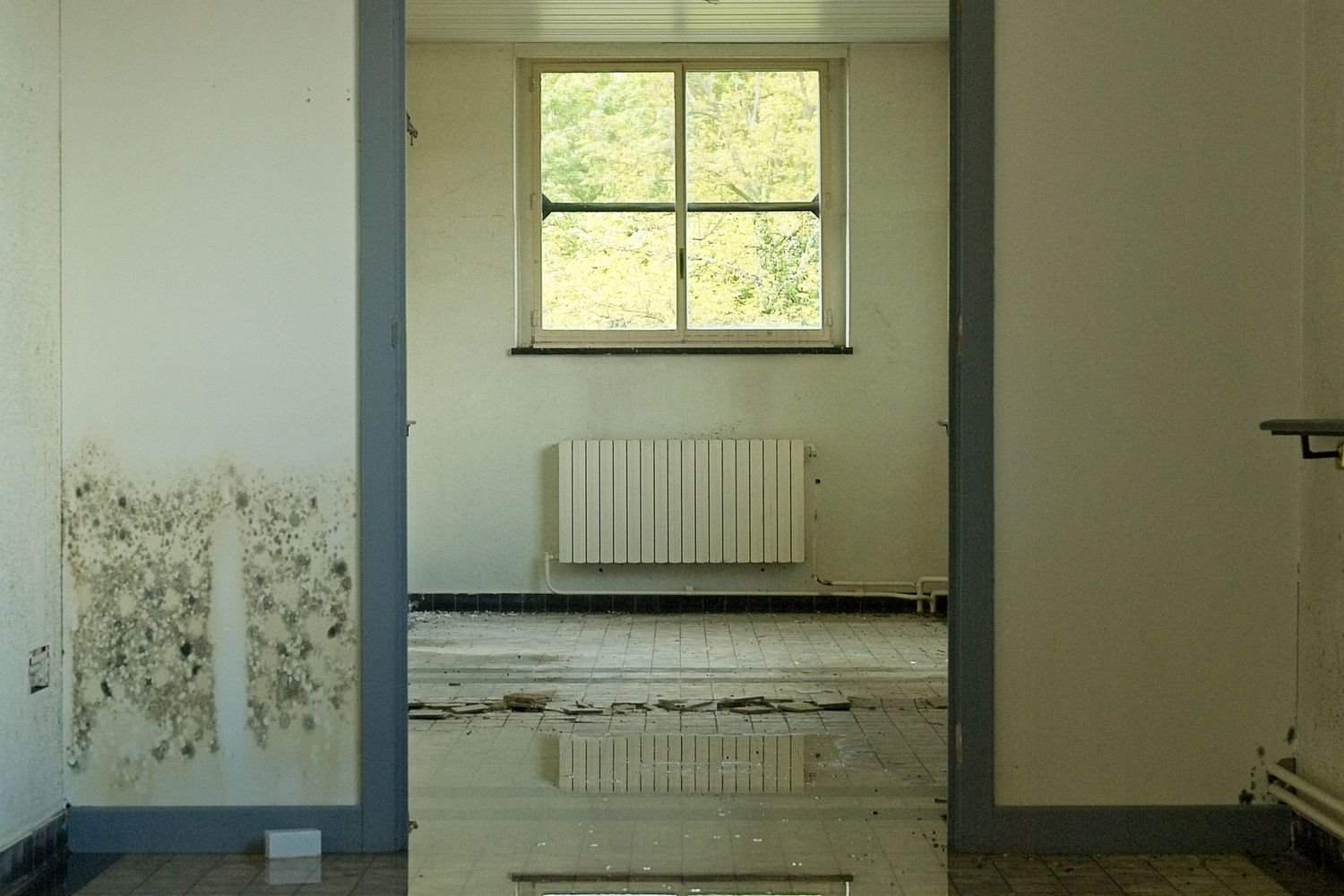
Water-damage repair inquiries should distinguish the cause of the damage from the reconstruction that follows. Replacing a stained surface does not establish that the underlying water issue has been resolved. Manhattan Kitchen and Bath can discuss rebuilding affected interiors once the responsible parties have assessed the cause, condition and readiness for reconstruction. Bring available photographs and relevant assessment records. Identify what has been removed and which components require further evaluation. The reconstruction scope should describe preparation and replacement boundaries, with specialist contributions assigned where needed, rather than use a general repair label to imply all remediation is included.
Defining the reconstruction boundary
Show the affected area and adjoining finishes expected to remain. Provide relevant assessment records with their date and scope. Ask which confirmations are needed before reconstruction and who supplies them. Keep repair tasks distinct from elective improvements in the proposal. A useful project inquiry should let the owner understand what construction is being considered without implying emergency response, specialist treatment or payment decisions simply because the damage prompted a room or surface replacement.
Recording the event and affected areas
Describe what is known about the water event and keep that account separate from an unconfirmed explanation of cause. Photograph the overall room and the affected surfaces where access is appropriate. Record dates, materials removed and information supplied by other professionals. The construction conversation should use those records to identify questions and the proposed rebuilding boundary. Documentation does not establish coverage or prove every concealed condition. A clear factual record is still valuable because it helps the owner and project team distinguish observed damage from assumptions before deciding what reconstruction work should be included.
Coordinating source correction with reconstruction
Identify who addresses the source and what information confirms the relevant work has been completed. A roof, pipe or another building component may require a provider outside the interior reconstruction scope. Replacing finishes before the source is resolved can leave them exposed to recurrence. The rebuilding proposal should state these dependencies and the responsibilities assigned elsewhere. The owner should understand that a construction estimate for walls or floors is not necessarily a contract to correct every cause of water entry. Clear boundaries support coordination without asking a finish installer to make conclusions outside the work assigned to that installer.
Assessing retained and removed materials
The condition of affected components should guide the scope through appropriate assessment. A surface that appears intact may conceal a different condition, while some materials may be retained when the findings support it. Identify what requires access and who evaluates it. The proposal should describe anticipated removal and the process for changes after concealed areas become visible. Avoid assuming that all materials must be discarded or that visible finishes can always be saved. The reconstruction boundary should follow the documented condition and relevant professional input, with the homeowner informed before additional work changes the commitment.
Establishing readiness for rebuilding
Relevant drying, assessment or specialist treatment should be handled by the responsible provider where required. Ask who determines that reconstruction can proceed and which records will be available. Elapsed time alone is not a reliable description of readiness for every material or assembly. The selected replacement products may also have requirements that need confirmation. Keep these dependencies in the sequence before closing walls or installing finishes. This gives the owner a clearer explanation of why preparation matters and prevents a delivery date from becoming the reason to proceed while necessary information remains unresolved.
Choosing repair boundaries and matching finishes
A small visible damaged area does not automatically define the most practical reconstruction boundary. Paint, flooring and trim may differ from replacements because of age, product availability or the condition of neighboring materials. Review samples and the likely junction before choosing the scope. Compare a focused repair with a broader finish area, distinguishing essential reconstruction from an elective appearance preference. The proposal should make those options understandable. This helps the owner decide deliberately rather than expect an exact match that has not been verified or discover a conspicuous boundary only after the new materials are installed.
Planning household use during repairs
Discuss which areas can be occupied and which require separation, following relevant assessments and directions. A damaged room may affect an essential kitchen or bathroom routine. Temporary arrangements should reflect the actual condition and construction sequence. Identify access, storage and waste removal. For an apartment or managed property, confirm responsibilities involving common systems or neighboring units. The owner should not infer safe or convenient use from the fact that one surface looks unaffected. A realistic plan coordinates the rebuilding work with household needs and the responsibilities of the people managing the property.
Keeping estimates and completion records clear
The construction estimate should describe the proposed tasks and assumptions, with changes documented when new information becomes available. If an insurer is involved, keep claim decisions separate from construction authorization. A proposed repair does not guarantee payment under a policy. At handover, review the rebuilt area and any remaining responsibilities. Retain reports, product information and relevant photographs. The owner should understand which materials were replaced and the boundaries of the work, without treating a finished surface as a universal assurance that every cause or condition throughout the property has been resolved.
What to include in your project inquiry
Send the property address, photographs and a brief description of the result you want. Identify the areas involved, components you hope to retain and products already selected. Explain any access arrangements or building instructions that affect the work. If you have a preferred completion date, share it with the scope so the sequence and prerequisites can be discussed.
A useful proposal connects removal, preparation, supplied materials and installation. Ask what is included at the boundary with retained finishes and which contributions belong to another provider. Where a condition cannot yet be verified, identify the next step before an exact order or construction commitment depends on it.
Frequently Asked Questions
What records help a water damage repair inquiry?
Provide photographs, relevant assessments and a description of work already performed. Explain what each record covers and which conditions remain uncertain. Identify adjoining or retained components. These materials support scope development while further professional input may still be needed before the proposed reconstruction arrangement can be confirmed.
Does replacing a damaged surface establish the cause is resolved?
Visible replacement does not independently confirm the cause or every underlying condition. Obtain relevant assessment from the responsible parties and identify reconstruction prerequisites. Keep that information with the scope. The owner should understand the construction supplied and the separate contributions needed before it depends on unresolved findings.
Can repair and elective improvements be discussed together?
They can be considered with their roles and authorization kept clear. Define assessed repair boundaries and identify changes made by preference. Explain effects on fitted products, scope and sequence. Construction discussion does not determine insurance coverage or payment, which remains with the parties responsible for those decisions.
Construction scope and insurance decisions
Coverage and payment decisions belong to the insurer under the policy. A reconstruction estimate describes proposed work and pricing; it does not guarantee coverage or reimbursement. Keep elective improvements separate from necessary repairs. Emergency response, specialist remediation and source correction should be confirmed with the responsible providers before rebuilding depends on them.
Discuss water damage with Manhattan Kitchen and Bath
Tell us what you want to improve and share the information available about the property. We can discuss the requested work, your priorities and the next step toward a defined project scope.