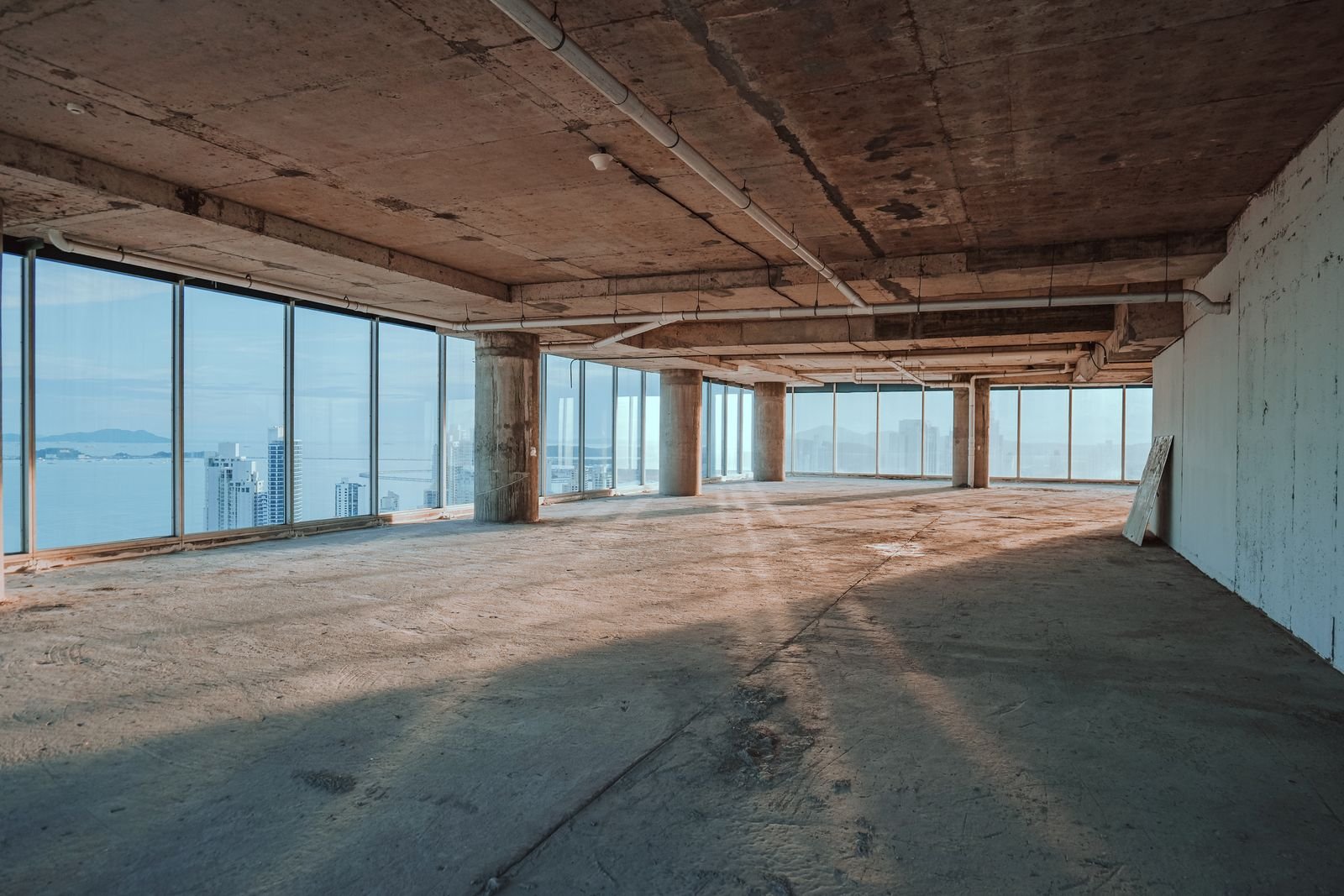
A Midtown East retail renovation must create a strong customer experience while meeting the practical demands of inventory, staff, building systems, and daily operations. Manhattan Kitchen & Bath completes interior renovations for boutiques, showrooms, service businesses, and street-level commercial spaces throughout the neighborhood.
Retail scopes may include demolition, partitions, display walls, sales counters, storage, flooring, painting, fitting areas, lighting coordination, employee areas, and restroom upgrades. We work from the approved design and help organize construction details such as material transitions, fixture backing, millwork dimensions, door hardware, and durable finishes for high-traffic areas. When a business has a fixed opening date, product selections and inspections must be planned backward from that deadline.
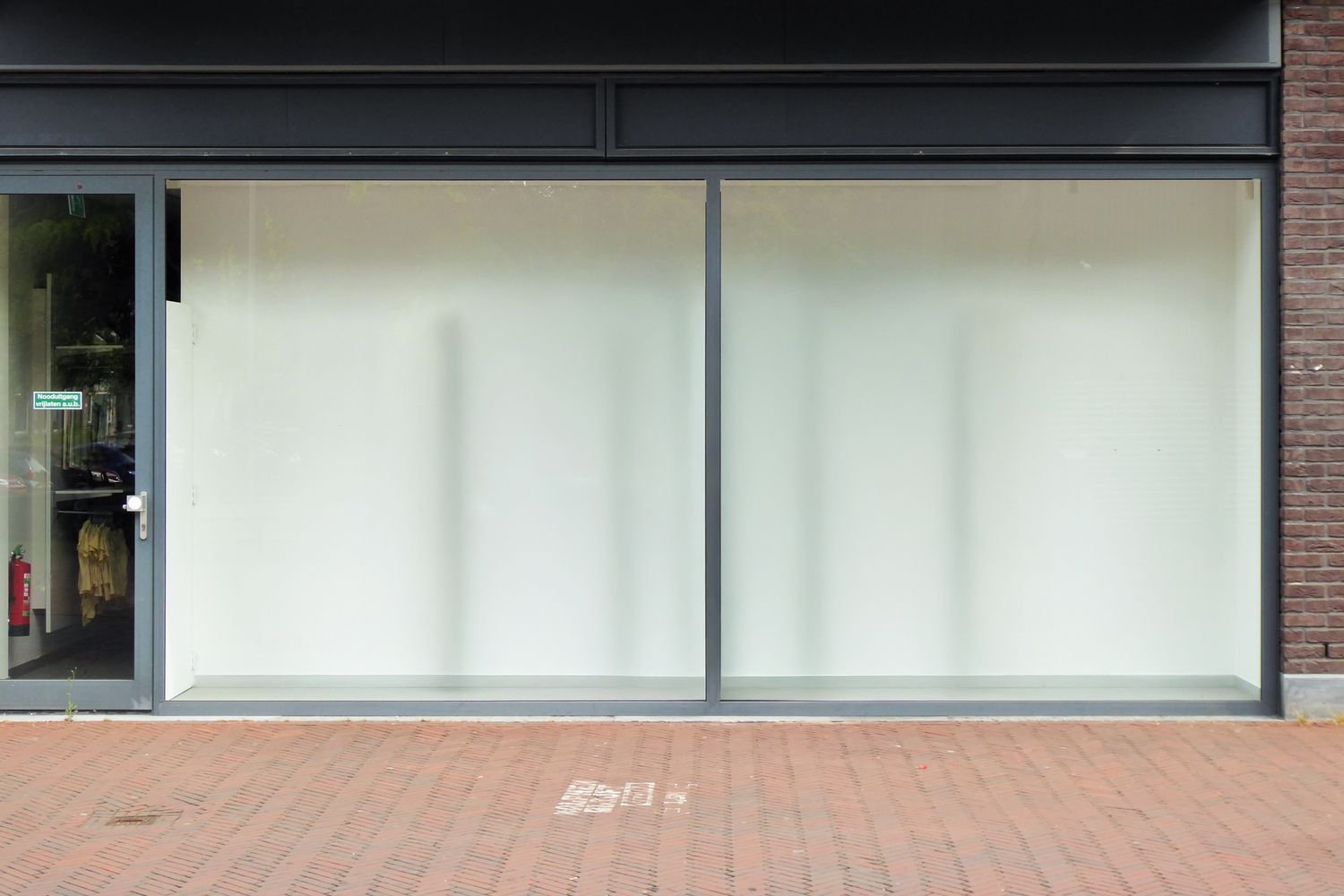
Midtown East retail spaces can be located in office towers, mixed-use buildings, older storefronts, or interior concourses. Each location may have different requirements for deliveries, loading access, noise, protection, after-hours work, security, and contractor insurance. Landlord approval, permits, licensed trades, fire-safety requirements, accessibility standards, and sign approvals may apply depending on the project. Manhattan Kitchen & Bath coordinates construction with the tenant, designer, landlord, property manager, and project professionals.
We plan work to reduce disruption and keep the site orderly. For renovations in operating stores, phased construction may be considered when safe and permitted. For vacant spaces, we focus on completing rough work, finishes, fixtures, and final corrections in the correct sequence so merchandising and staff setup can begin on time.

Manhattan Kitchen & Bath provides Midtown East retailers with a hands-on renovation team for interior construction and finish work. Our objective is a clean, durable, and brand-appropriate space that welcomes customers while supporting the behind-the-scenes needs of the business.
For Midtown East commercial work, the construction schedule should also account for landlord reviews, long-lead finishes, technology vendors, furniture installation, and the tenant's operational date. Identifying these dependencies early gives the project team time to resolve conflicts, reserve building access, and complete corrections before employees, customers, equipment, or inventory occupy the renovated space.