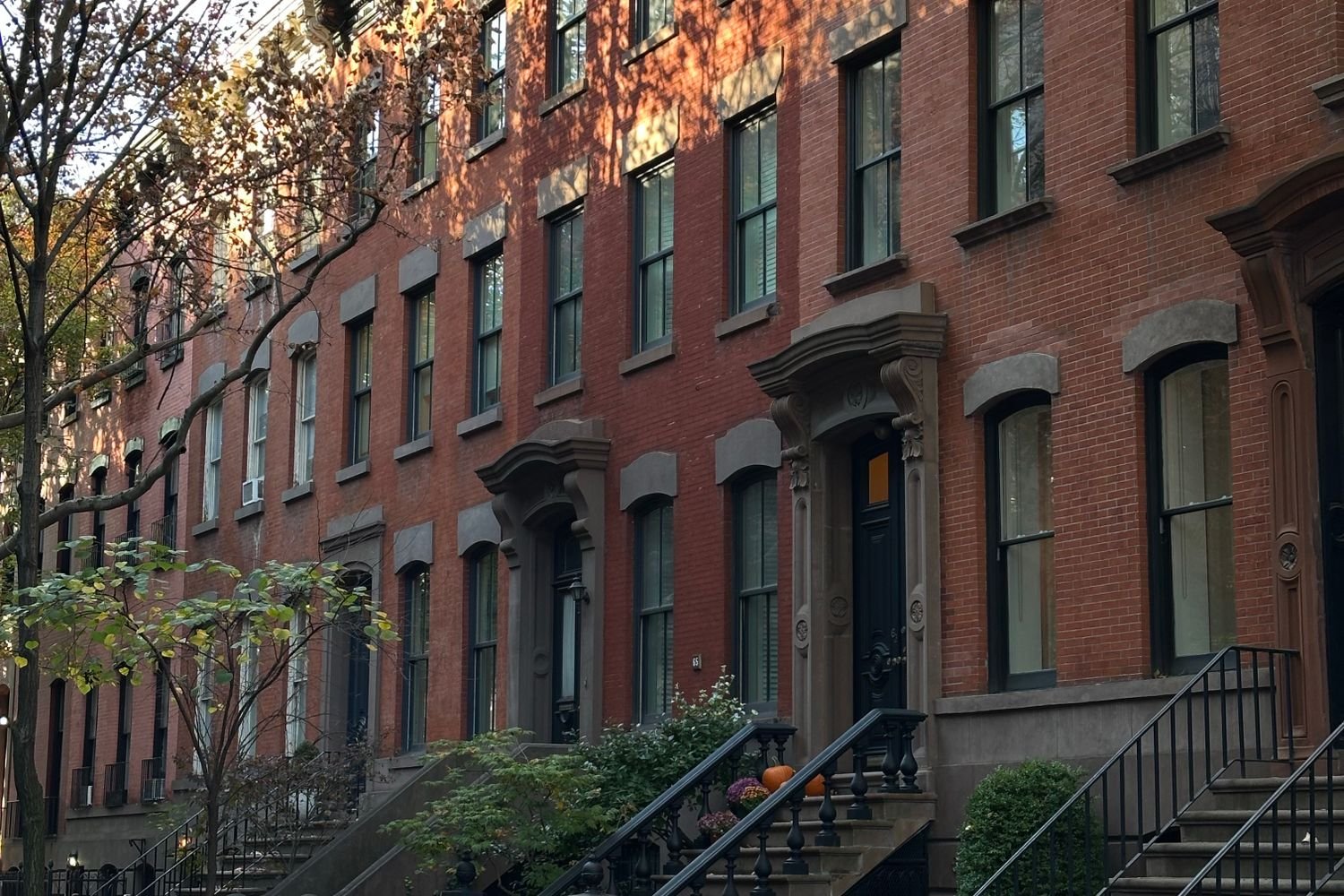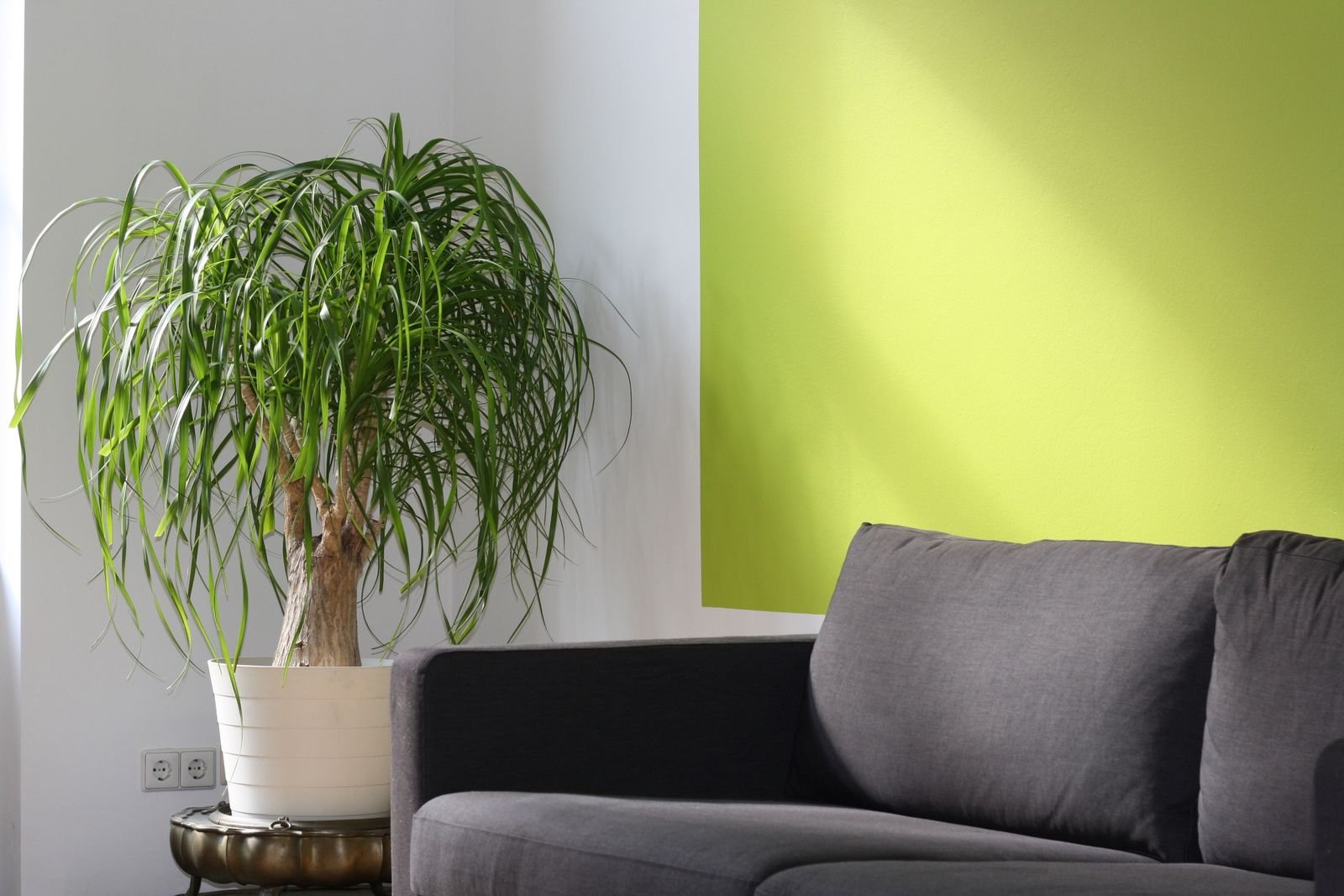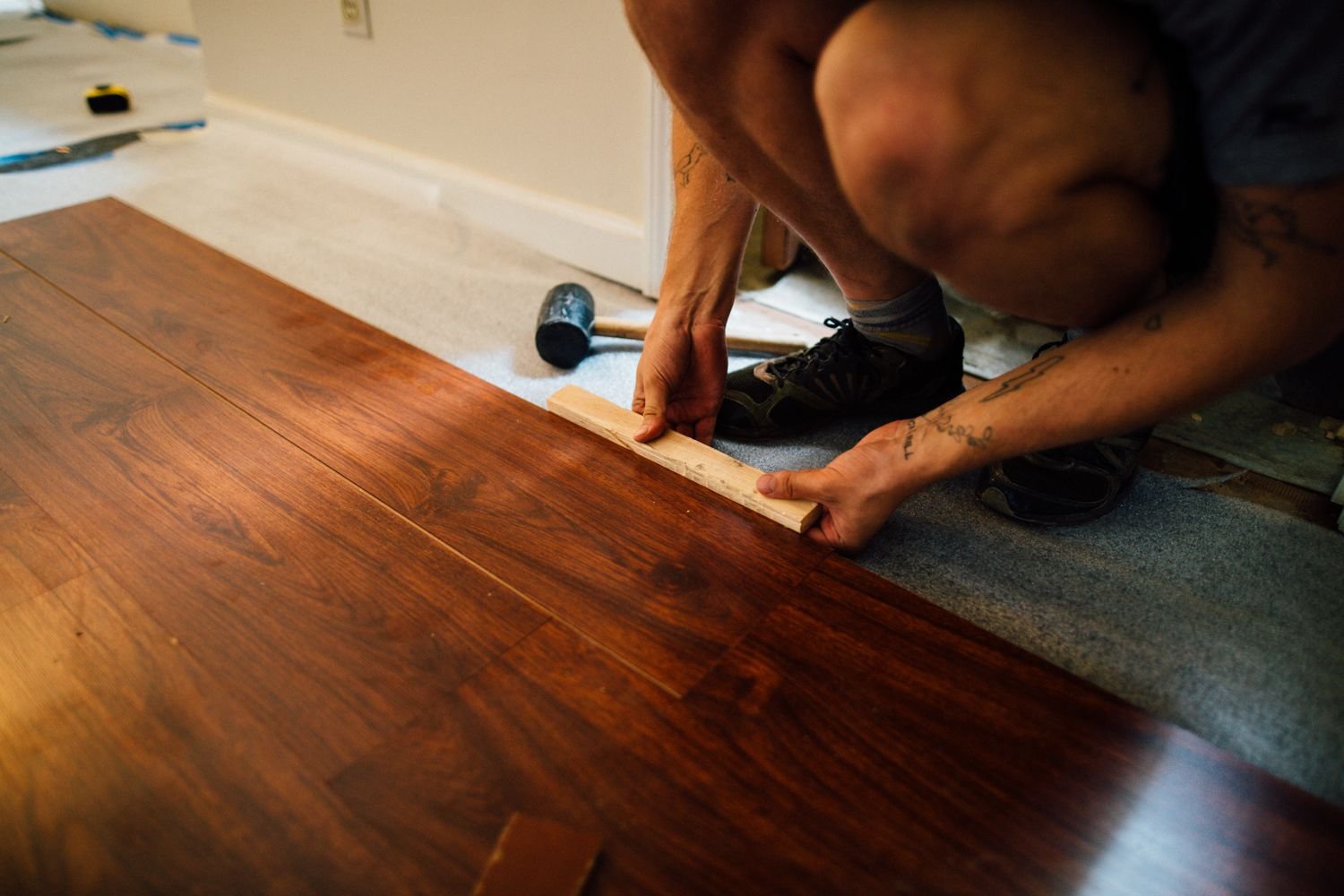
Interior painting is most effective when the surfaces are properly prepared and the colors are selected in relation to the home's light, flooring, and architectural details. Manhattan Kitchen & Bath provides painting and finishing for Hell's Kitchen apartments, condos, co-ops, townhouses, and commercial interiors. The work can refresh a single area or complete a broader renovation with consistent walls, ceilings, trim, and doors.
Services may include patching, plaster repair, drywall repair, skim coating, sanding, priming, wall and ceiling paint, trim, doors, cabinetry, and final touchups. We evaluate sheen levels and color transitions so high-traffic areas remain practical and smaller rooms do not feel visually fragmented. Careful cut lines and clean preparation are just as important as the final coat.
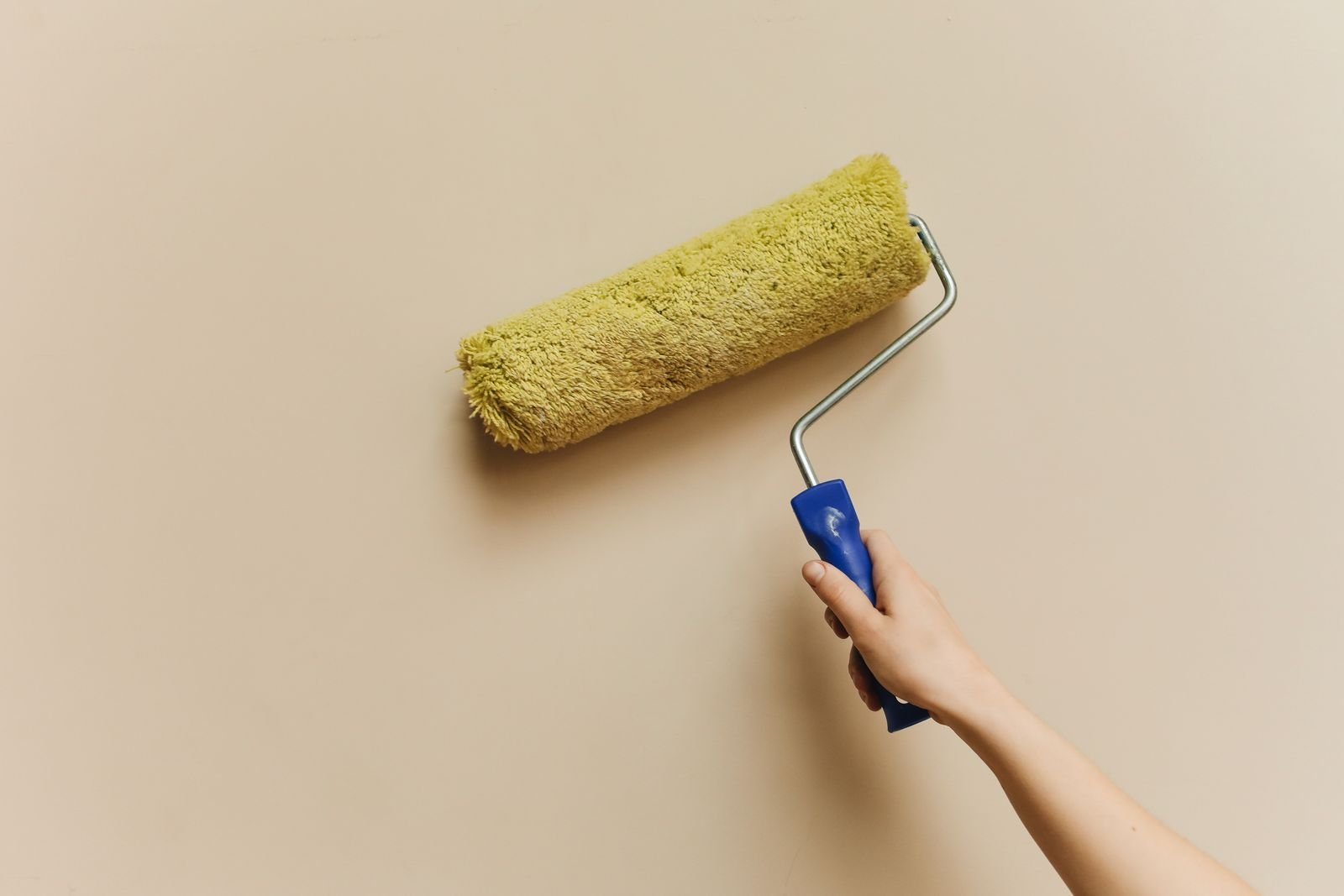
Hell's Kitchen homes often have layers of previous paint, cracks near old plaster, or walls affected by earlier repairs. These conditions need to be stabilized rather than simply covered. In occupied buildings, furniture protection, dust control, ventilation, daily cleanup, and compliance with permitted work hours help minimize disruption. Common areas and elevators may also need protection when materials are moved through the building.
Manhattan Kitchen & Bath coordinates painting with flooring, cabinetry, tile, electrical fixtures, and carpentry so newly finished surfaces are not damaged by later work. We create a clear room-by-room plan and review colors before full application. For interior painting and finishing in Hell's Kitchen, the result should feel crisp, cohesive, and professionally completed rather than like a quick cosmetic cover-up.
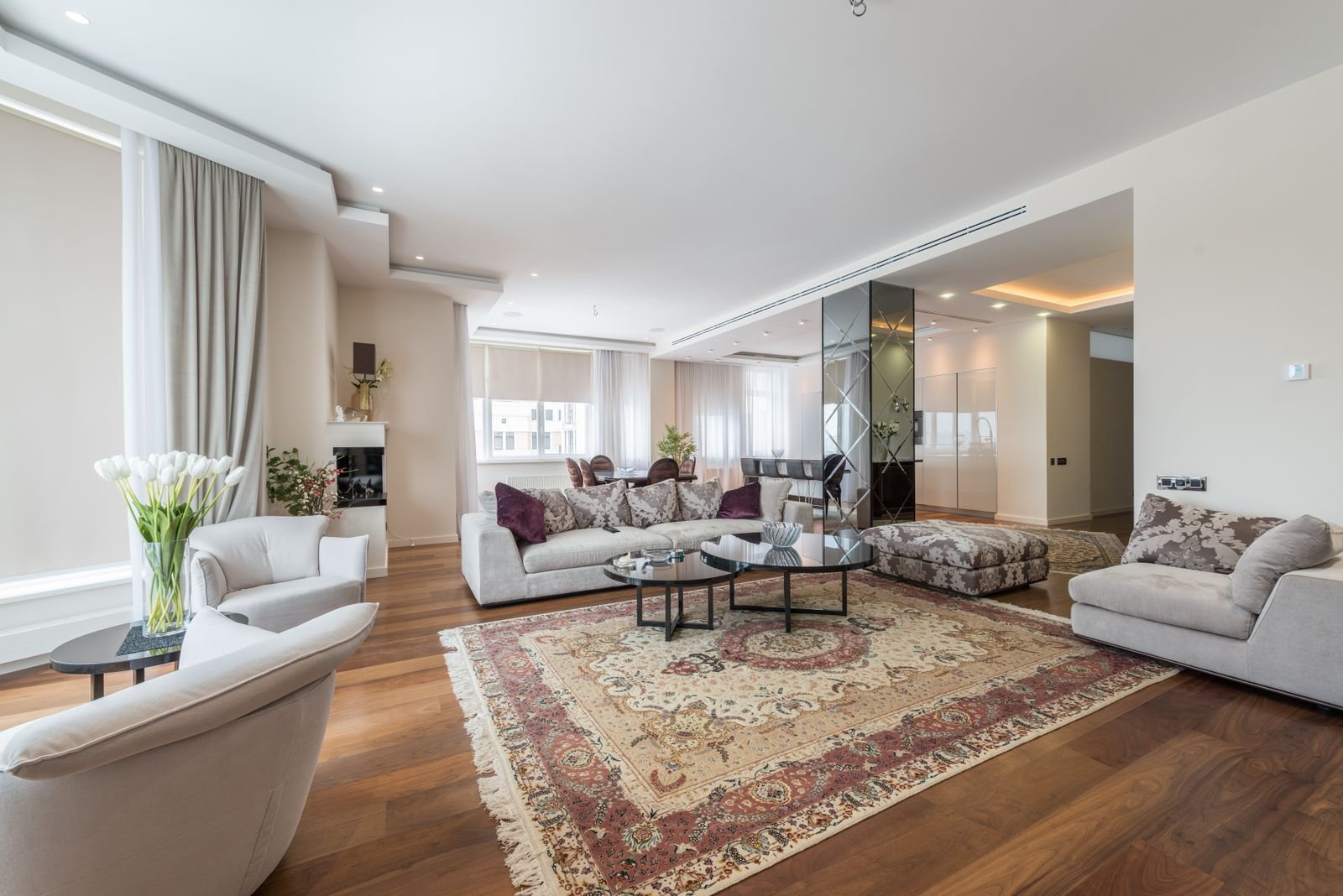
Color planning can also respond to the neighborhood setting and the apartment's exposure. A north-facing Hell's Kitchen room may need a different white or neutral than a bright west-facing space. We review undertones against floors, countertops, and existing furnishings rather than selecting paint in isolation. Accent colors can be used selectively for cabinetry, doors, or architectural features, while the larger wall palette maintains flow. The result should feel personal without making future maintenance unnecessarily complicated.